Weathering The Storm
Module Overview
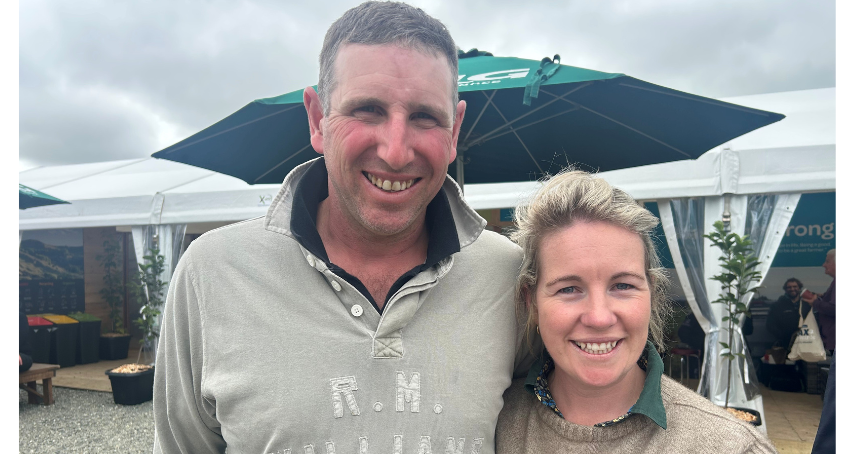
Brayden and Nicole Kyle look after 570 cows just north of Invercargill. It’s a family farm where the couple have been contract milking for 14 years. Like everyone, they’ve had their share of farming challenges, but last year’s wind storm really tested their powers of endurance.
Brayden Kyle loves farming and the variety the job brings. “No two days are the same, maybe due to the weather,” he laughs. “You’re always at the mercy of the weather gods. It’s becoming the biggest unknown and one of our main challenges.”
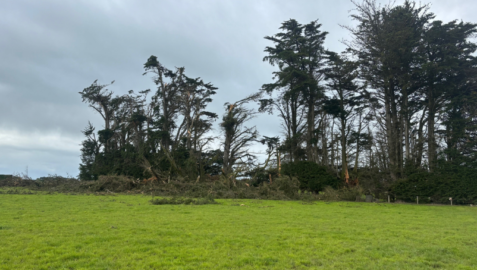
Brayden is referring to the violent windstorm that hit Southland last October. Its hurricane strength winds wreaked havoc on local farms, cut power to tens of thousands of homes and took out several thousand hectares of local forestry.
“We lost power for a week. That was massive. We missed three milkings with the cows over peak milk which was heartbreaking. Just listening to the cows in the paddock wanting to be milked. You felt so helpless. It was gut-wrenching,” says Brayden recounting what was clearly a painful experience.
“We’ve never had the power out for longer than four hours,” adds Nicole. “You were dealing with the unknown. Then we ran out of cell phone reception, so Brayden just started driving around the neighbourhood, until we found a neighbour with a generator. We were lucky.”
Eventually, they amassed a small collection of generators. “We ended up with five little generators and a big generator in the end!” says Brayden shaking his head. “The main one’s obviously for the cowshed, but we also had ones for the bore pumps, water lines and electric fence units. We needed them all to keep the farm running and keep the water up for the cows. We needed power on at the run-offs too because we didn’t want young stock getting out onto the roads. So, we were working round the clock, filling generators with diesel to keep them all going.”
Brayden sums up the topsy turvy experience of farming in extreme weather. “Every day when you went out there to farm, there was the element of surprise. And we’re still in it.”
Having the mindset to get through
He describes the sort of mindset required to get through.
“At first, you just go into overdrive. In the thick of it, we just carried on. You didn’t even really think about it. You just had to keep putting one foot in front of the other. It was probably a week or so after that happened when it hit you. You felt really fatigued.”
Nicole agrees. “For the first three or four days, you just lived on adrenaline. But by day five you were well and truly over it and felt exhausted.”
But the work continued and so did the bad weather – sleet and snow.
The couple and their team soldiered on. “Our staff were amazing. They just kept turning up and keeping things ticking along. It was a lifesaver.”
Nicole’s parents stepped up too and looked after the kids while the couple managed their way through the chaos.
“The house was freezing and we only had a heat pump. You were going to bed cold, waking up cold, and then going to work cold,” she recalls.
Events like this bring out the best in people too. “So many people came and dropped off meals and rang and texted us,” says Nicole. “Our vet dropped off mastitis drugs for the cows and even left us a camp cooker so we could make ourselves a coffee. We realised we live in an amazing community. We probably didn’t have to cook for a good week to 10 days.”
“We were already good friends with our neighbours but I reckon that storm brought us closer. You get to know your neighbours in all the ways that really count.”
The scale of devastation took a while to sink in says Brayden.
“When you walk or drive around the farm at first, the destruction can feel overwhelming. We lost hay barns. We had a heap of big macrocarpas go down on fences. On one block, we’d literally just paid the bill for a new fence and that was completely destroyed. We also had 15 large pines lying on lanes which we had to clear at once. We’re still cleaning up trees now.”
Practical tips for next time
What advice would they offer people who’ve never faced this kind of event?
“The number one thing was obviously looking after the cows and their welfare. Then it would be deal with the trees that have gone onto paddocks and lanes. Looking after yourselves is huge too,” says Brayden.
Nicole offers her thoughts on how to get through these events as a family. “The kids sort of make it easier, really. They’re a great distraction because at the end of the day, they’re usually pretty happy and they put a smile on your face. They’re good helpers, too.”
Looking back, one of their insights was that it helped the storm felt like a shared community experience.
“We were all in the same boat, so that made it not feel quite so bad. And there were definitely people worse off than us, so you almost felt a bit grateful too,” says Nicole.
Which is not to downplay the lasting impact of events like these and the roller coaster of emotions at play.
“We were in the middle of peak milk and mating was fast approaching, so you just had to carry on and stay positive. There was no time to stop and reflect and feel sorry for yourself,” says Brayden.
“The hardest time was a week to ten days after. It just drained you because you’d been running the whole time. I love farming and I love working, but when you see all those trees down it’s just extra work.”
Which is why the couple recently took a break off farm to recharge and reset.
“We just had a wee breather, really. Left the kids at home with their grandparents and went to a concert,” says Nicole. “We didn’t realise how much we needed to do it until we were there. It was just two nights away, but it felt like two weeks. It was a great stress buster.”
“When you’re feeling under the pump like that, it’s important to have things to look forward to.”
Farmstrong is a nationwide, rural wellbeing programme that helps people manage the ups and downs of farming and growing. Last year, 20,000 farmers attributed an increase in their wellbeing to the programme. For free, farmer-to-farmer tools and resources head to www.farmstrong.co.nz.