Breaking unhelpful thinking cycles
We can change the way we think to be more helpful while still acknowledging the difficulties and challenges that we are facing. This is possible using a simple tool called Catch it, Check it, Change it.
When we notice something negative happening, it can trigger emotions such as frustration, anger or sadness. This can lead to a downward spiral where unhelpful thoughts, emotions and behaviours reinforce each other.
One way to break the cycle is by noticing the unhelpful thought and applying Catch it, Check it, Change it.
Catch it
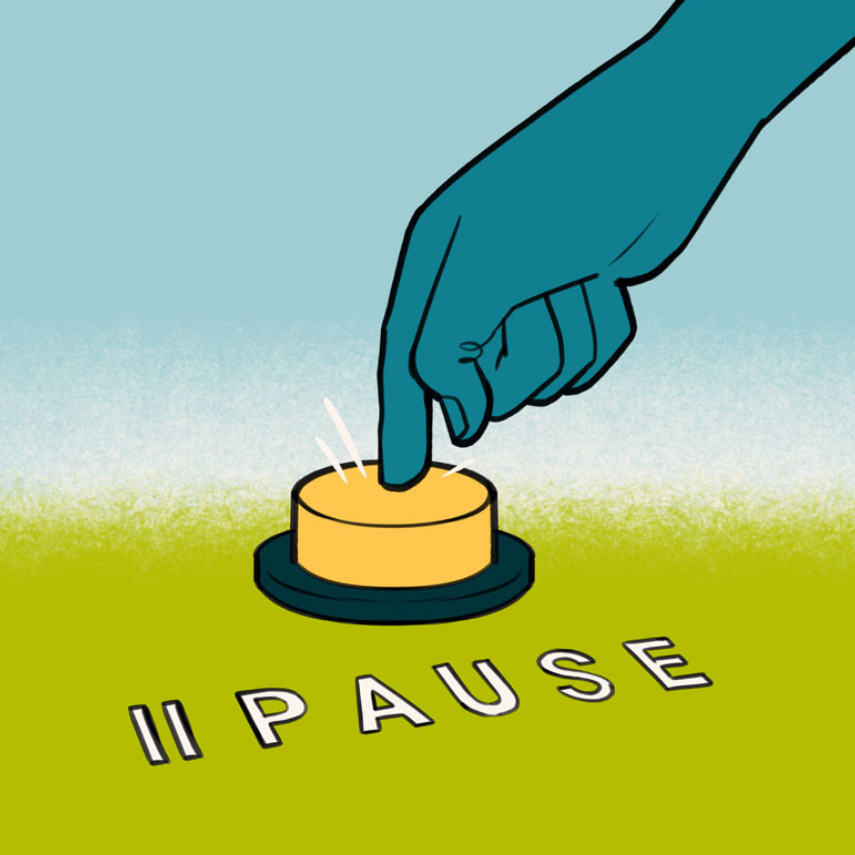
When you get upset about a situation, imagine standing outside yourself and hitting the pause button. Take a deep breath. Name the emotions you are experiencing e.g. anger, frustration, feeling worked up and notice any impulses to behave in a certain way. Then see if you can ‘catch’ your thought.
Check it
Now examine the thought and decide if there is a more helpful interpretation without denying the reality of the situation. Try to be curious about what you are thinking, rather than assuming you have all the facts. We often decide that the thought we’re having is the one and only reality, whereas almost always there are a number of interpretations about what’s happening, or what someone meant by what they said. Helpful questions to ask yourself are – is this thought really true? Is it helping me with my goal or the problem I am trying to solve? Is it worth it in terms of how it is making me feel or behave?
Change it
Once you have checked the thought and decided it is not helpful, then change the thought. More helpful thoughts will lead to easier emotions and calmer behaviours, which will help you problem solve better. If you do discover that what you’re thinking is true, at least you have given yourself breathing space to think more clearly about the actions you need to take.
Applying the above technique helps us get better at understanding how our thoughts affect our emotions and behaviours and will ensure we are less prone to depression, anxiety and angry outbursts. It’s also good for our performance and productivity. It stops us getting bogged down mentally and makes it easier to make decisions under pressure.