Making Room to Talk
Module Overview
How one Gisborne farming group brought mental wellbeing into the open – and strengthened the support its members offer each other.
When Gisborne farmer Sam Gemmell chose wellbeing as the focus of his farming group’s latest meeting, it opened an honest conversation about pressure, resilience and the value of having people around you when times get tough.
The Gisborne Farming Business Group (GFBG) is used to examining the numbers.
When its members visit a farm, they open their books, compare financial performance and discuss everything from fertiliser and cropping to stock policies and succession planning.
But when the group met at Mokonui Station on 21 May 2026, host farmer Sam Gemmell chose a different specialist topic for the day: mental wellbeing.
“There are some people in the group who I knew were struggling with stuff too,” Sam says. “Everyone’s still got their battles. I thought it would be good to do something different and have someone like Kane come and talk.”
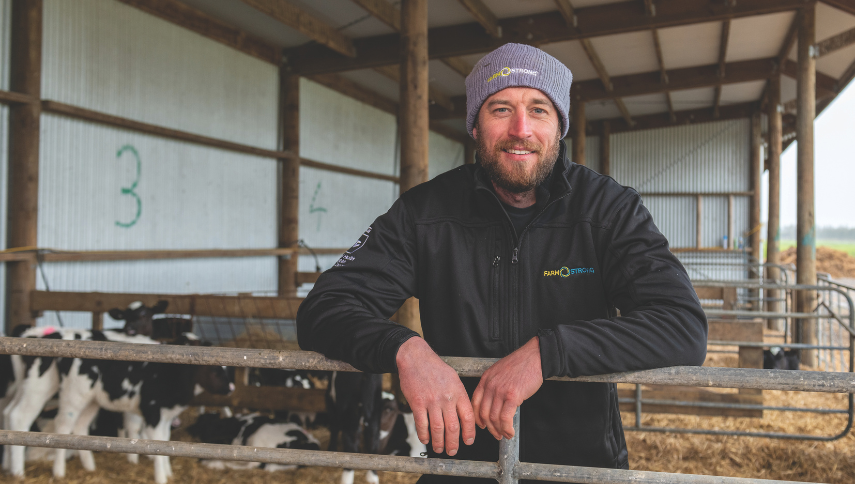
Kane Brisco, a Taranaki dairy farmer, Farmstrong champion and author of Tools for the Top Paddock, travelled to Gisborne to spend the day with the group.
For Sam, the visit was a chance to bring a subject that is often kept private into a trusted farming environment.
A group built on trust
The GFBG was established more than 20 years ago and includes 16 farming businesses. Its members meet four times a year, visiting each farm once every four years.
Facilitator Mark Gemmell says the group’s strength comes from the openness of its members.
Farm accounts are independently analysed, allowing members to compare performance and understand why similar farms may be achieving different results. Mark says this level of transparency helps members identify opportunities and learn from one another.
The group’s East Coast hill-country farms perform strongly, but good results do not protect farmers from personal pressure, severe weather or other events outside their control.
Cyclone Gabrielle damaged access, infrastructure, fences and farmland across the region. Some group members have also faced financial pressure, relationship break-ups and the demands of carrying a family farming legacy.
Sam experienced several of those pressures at once.
“I went through a pretty gnarly break-up, then there was the cyclone and a downturn in farming,” he says.
“I wasn’t sleeping, and I just couldn’t deal with the stress. It was too much, and I couldn’t process it.”
Sam received professional support and began finding practical ways to manage his anxiety. When it was his turn to host the discussion group, he decided wellbeing was a conversation worth sharing.
“I’ve always been a bit of a fan of Kane’s. I follow him on Instagram and like his stuff,” he says.
“He’s relatable because he’s a farmer, he’s a Kiwi bloke and he’s also into boxing. He seems like a down-to-earth, good guy. He talks about this stuff and says what he thinks.”
Honesty gives others permission
Kane usually speaks at events organised by groups such as Young Farmers or Rural Support. Spending a full day on the farm gave him time to understand the members, their businesses and the challenges facing farmers in the region.
“I didn’t really know what to expect or what the group would be like,” Kane says.
“I was impressed by how good they were at farming, how well they understood their businesses and how open they were.”
Sam introduced Kane and explained why he had chosen wellbeing as the day’s topic. Kane then spoke honestly about his own experience of anxiety, financial pressure and reaching a dangerous point in his life.
Kane says rural ideas about stoicism can sometimes prevent people from acknowledging what is happening beneath the surface.
“We put on the tough-man exterior, but we don’t do any work on the inside,” he says.
“When I’m honest and tell my story, people relate to it. It gives them permission to be honest in return – whether that’s with themselves, their partner or their mates.”
Sam immediately recognised parts of his own experience in Kane’s story.
“I was thinking, ‘A lot of this is exactly how I was feeling,’ especially during some of my worst times, when I had pretty bad anxiety and some depression,” he says.
“You wonder why you feel that way when you’ve got a pretty good life. It helps to know it is normal and that people go through these things.”
The familiar setting and trust within the group helped members feel comfortable listening and contributing.
“Everyone knows each other, which makes a difference,” Sam says. “Our setting is good and pretty casual. It’s better than something heavy, deep or really formal.”
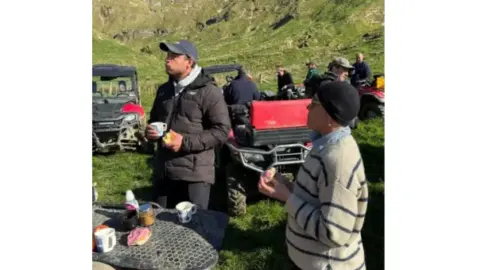
Mark says every farm in the group was represented at the meeting, with 20 farmers attending. Some members shared their own experiences during the day.
“It definitely had the biggest impact of any discussion-group session I’ve ever attended,” he says.
Practical tools for managing pressure
Kane shared several practical ways farmers can support their wellbeing during demanding times.
Breathwork can help calm the body and create room to think clearly. Sport or another interest away from farming can provide a mental reset. Staying connected with friends, whānau and the wider community helps prevent people from becoming isolated.
For Kane, physical activity became an important part of his recovery.
“Having something to look forward to outside the farm has been a really important way to mentally reset,” he says. “At the end of the day, it was a bit of a saviour for me.”
Exercise has also made a significant difference for Sam. He began running before moving into multisport.
“Exercise clears my head and makes me feel so much better,” he says. “If I’m feeling like shit, I go for a run, get on the bike or do whatever I need to do.”
Sam also uses box breathing if he feels anxiety building. The technique involves breathing in, holding the breath, breathing out and pausing again for equal counts.
“It pulls me back into the moment,” he says. “I’ve learnt not to react. You control what you can control and go from there.”
A rural safety net
The support offered by the discussion group extends well beyond its formal meetings.
Following a severe rainfall event near Tolaga Bay, members spent a day helping a farmer repair damaged fences. After Cyclone Gabrielle, they continued checking on those dealing with damaged properties, lost access and financial pressure.
Mark says older members also offer experience and guidance to younger farmers, while everyone shares ideas about managing the business and making time away from the farm.
Kane describes that network as a safety net.
“It’s about getting around someone and being there, so they can talk with you or so you can lend a hand,” he says. “Simply being present and available is a big thing.”
That might mean having a cup of tea, helping with a job on the farm or connecting someone with professional services.
Farmers can be reluctant to accept help or may worry that people are making a fuss, Kane says. It can be worth asking again.
“If you persist a little, they’re often very appreciative of it.”
Sam agrees. He says friends and whānau were ready to support him once they knew what was happening.
“When I was struggling, I was pretty embarrassed about it, especially the anxiety, because I thought it was something I should be able to control,” he says.
“As soon as I told people and stopped worrying about it, everything became so much easier. People actually want to help.”
Nobody has to carry it alone
At the GFBG’s following meeting, members reflected on Kane’s visit and agreed they had gained a great deal from the conversation.
For Kane, the day reinforced that the pressures farmers face are similar across different regions and farming systems. It also showed how much a trusted group can help its members through difficult periods.
“It’s really easy to isolate yourself, especially when things aren’t going well,” he says.
“If you have a community or mates who care about you, there’s always someone watching out for you, having a cup of tea with you or giving you a hand. Whatever that support looks like, it can make a big difference in the long run.”