Looking after growers is vital to a sustainable sector
Module Overview
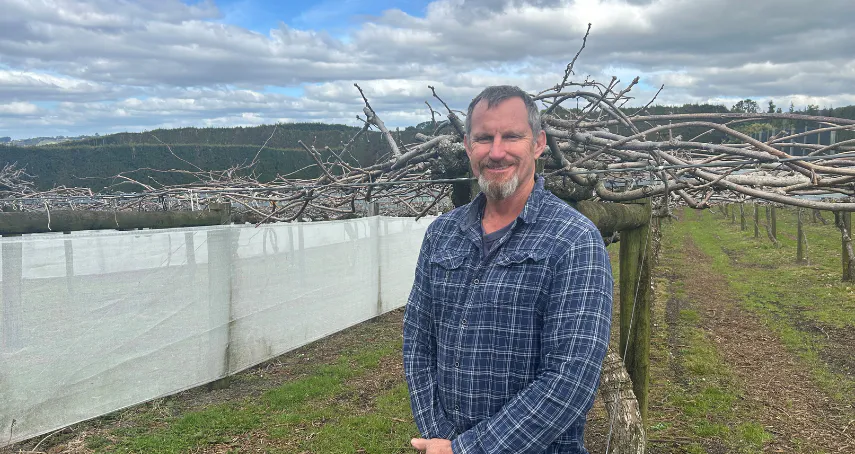
Kiwifruit grower Steve Shirley hopes Farmstrong’s new Live Well, Grow Well book will encourage growers to look after their most important asset: themselves.
The new resource brings together first-hand stories and practical wellbeing advice from people working across the horticulture sector, including kiwifruit, viticulture and vegetable growing. The result is a collection of hard-won-wisdom and practical tools and tips for keeping on top of your game.
Steve, whose contribution to the book is titled “Playing the Long Game”, says he felt proud and humbled when he read the finished book.
“When you take stock of what everyone else is doing, it takes you outside your own boundary. You realise you’re not the only one dealing with a particular issue.”
Playing the long game
Steve grew up on a sheep and beef farm in the Waikato before leaving for Auckland and beginning a career in aircraft engineering. His work later took him to Australia, Middle-east, Europe, America & Papua New Guinea, where he worked with airlines and power generators.
He followed his father into the kiwifruit industry in 2015 just as the sector was emerging from the PSA crisis. For the next 10 years, he divided his attention between paid employment with First Gas and his orchard.
Now 54 and recently retired from the gas industry, Steve is a full-time grower. He says he is “narrowing in on what’s important” by giving more of his time and attention to his family and orchard.
His engineering background still shapes the way he works. Steve manages the orchard as a project, drawing on the same planning skills he used on multi-million-dollar gas and engineering jobs. However, he quickly learnt that growing does not always provide the immediate results an engineer might expect.
“As an engineer, I’ve been used to finding solutions and fixes quickly. That doesn’t happen in orcharding,” he says.
“The actions you take in growing today might have consequences in five years’ time. You’ve got to be in it for the long game.”
“Generally speaking, in kiwifruit, over five years you might have one really good year, two average years and two poor years,” Steve says. “The challenge is to flatten out that ride through constant improvement.”
Sustainability starts with people
Steve believes conversations about agricultural sustainability need to include the wellbeing of the people doing the work.
“We often talk about sustainability in agriculture – the nitrogen in the soil and how much water we take from the ground – but keeping the people going is important too,” he says in Live Well, Grow Well.
“Sustainability starts with the people. The most important asset you have on your farm is yourself. Grow your mind and grow better crops.”
Steve believes farmers and growers are active by nature, but that same drive can lead people to work themselves into the ground and towards breakdowns because they’re going too hard.
“Sometimes the last thing we think about is the people,” he says. “We need to put our hands up and start putting ourselves first.”
“We need to make it okay for people to want to have a chat. Too often, people sit at home and bottle things up instead of getting out and talking to their mates.”
Family, friends and time off orchard
Family provides Steve with both support and perspective.
“When you’re feeling down about your own situation, it can feel good to help others, like your kids,” he says. “You make good on your own business and family. When you put it into perspective, it shakes down well.”
Friends also provide solace through the small things they say. Steve makes time each Wednesday to ride with a group of guys from varied backgrounds. Their outings range from a local ride on anything with two wheels, followed by something to eat, to a 500km motorbike adventure ride, where they stay off the main state highways, preferring to travel along gravel roads and through forests.
The journey matters, but so does the conversation that comes with it. “It’s just getting together and doing it – having a bite to eat and a chat.”
Turning stories into conversations
He would like to see Live Well, Grow Well used at existing grower meetings to introduce Farmstrong’s practical wellbeing tools and begin conversations that might not otherwise happen.
His first piece of advice about the book is simple: “Read it.”
“You’ll do what is important,” Steve says. “If farmers and growers take the time to read the book, they might see things in a slightly different context.”
“When you take stock of what everyone else is doing, it takes you outside your own boundary. You realise you’re not the only one dealing with a particular issue.”
For a sector accustomed to measuring crops, inputs and outputs, his message is that investing in the grower matters too.
“Lean on the gate, talk to a mate. Farmstrong’s resources and the five ways to wellbeing need to become second nature.”
A printed copy of Live Well, Grow Well can be directed to [email protected].