Staying in the Zone
Module Overview
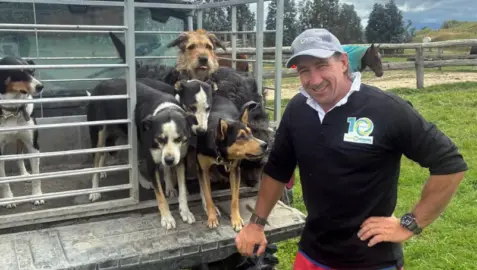
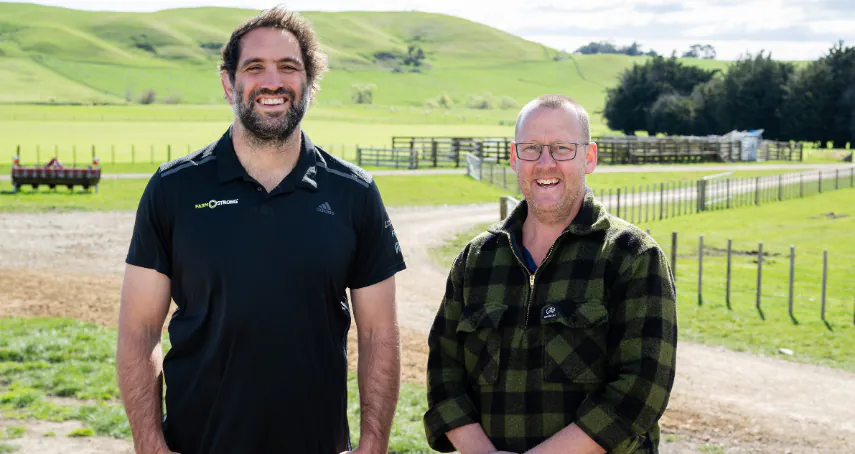
The mental side of shearing can be as demanding as the physical says Hawkes Bay shearing trainer Pete Chilcott. That’s why the industry is teaming up with Farmstrong to pass on mental fitness skills to its workforce. Pete discusses the challenges and rewards of the job with Farmstrong ambassador Sam Whitelock.
What’s the key to being a good shearer?
Keeping yourself fit, calm and balanced and the animal calm and balanced, which takes years and years to learn. Sheep can feel your nervousness and respond to things like your feet position.
What else is important?
You’re dealing with something that’s never had a haircut before, so you need precision gear that’s cutting well too. It’s no different than if you had a haircut with some blunt clippers – it’d soon make you squirm.
You’ve said the sheep can tell if you’re nervous. When you’re starting off, how do you keep your cool?
That’s a hard thing, all right. Learning a good technique for a start. Keeping yourself fresh and in good nick – good sleep, good food, well hydrated and all that sort of thing. Breathing is a big thing too because as soon as you hold your breath, you get tense and the animal will as well.
How tough is shearing on the body?
The average shearer’s doing probably 250 or 300 sheep a day. Years ago, I think Massey university hooked up some shearers to machines and worked out that shearing 200 sheep was like running two marathons back-to-back! Our people are doing that every day which is why it’s important to look after yourself.
What are the basics of being able to perform like that each day?
You’ve really got to look after your hydration and nutrition. In summer it might be 30 degrees outside and when you get inside that shed with all the heat of the animals it might be 35 or 40 degrees. You’re facing potential heat stroke issues if people don’t look after themselves.
How important is eating the right food?
It’s vital. The idea that you can just have a bit of a greasy feed, get up and do it all again tomorrow, is not going to work – that’s just not how we’re built. At times you see people, they’ll go to the servo or the bakery or something on the way to work and it’s fizzy drinks and God knows what. They go really well for about half an hour and then their energy level is gone. They fade away pretty quickly.
Some of the guys training for records in the last few seasons, you can just see the difference in them from probably being that person I just described to actually getting their nutrition, hydration, their training going properly. It’s just chalk and cheese. They enjoy shearing a lot more too.
Is shearing a mental challenge as well as a physical one?
Yes it is. The sheep are much bigger nowadays than when I started. There’s more vigour in the breeding. And basically sheep just don’t want to be near humans. So it’s a challenging job and you got to have a pretty good mindset and take a deep breath every now and then to stay calm and stay in the zone. As soon as you see people start holding their breath, you can see the tension build in the sheep, which makes a tough job even harder.
Training and managing up to 100 staff must be stressful at times too. What have you learnt about managing stress?
I’ve been lucky I’ve worked with Brendan Mahony (NZSCA life member) for many years. The guy’s been in the industry fifty years so there’s not much he hasn’t seen and done.
What has he taught you?
Just that calmness. Things go pear-shaped and he’ll be like, ‘oh well we can do it this way and that way’. Just to take a deep breath really and have a look at the issue from another angle. Sometimes he’ll say, ‘oh just go and have a cup of tea and think about it’. It’s quite a good thing to do. Just get your head out of it for a bit and then get back into it on a different wavelength.
Because some days you’re trying to put crews together and it’s just not gelling or the weather’s all over the place or some sheep might be dry and some aren’t. It’s an interesting old game really.
It’s really good advice to step out to step back in, so when you do step back in you’ve got a solution. Sometimes it’s tempting to rush around trying to make a decision on the spot, but the best thing to do is take a moment, have a think and go forward from there.
How long does it take to reach the level of a top shearer?
When I first started shearing, an old guy said to me, ‘you know, it’s a five-year apprenticeship until you can share 300 a day every day comfortably.’ He wasn’t far wrong. But these days the gear’s better and with proper training, you can see someone getting there in three years.
Pete, you’ve trained a lot of top shearers and record holders, what would you tell your younger self, knowing what you know now?
Look after yourself, whether it’s food, hydration, improving your technique, stretching or taking care of the money you earn for your hard work. Slow down and learn to do the things that will make shearing easier for you. Your body’s a finely tuned machine that needs proper care and maintenance.
What’s the best part of the job?
I used to love driving out of a farm when you could pick out the ones you’ve just shorn running down the track. I was always proud of the quality of my shearing and I got the same satisfaction from that as building a straight fence. You look back at your workmanship and think, yeah that was a good day. Now I’m training people, it’s probably seeing them go on and do bigger and better things. That’s really satisfying too.
There’s some really good, young, talented shearers out there. They are the future, so let’s look after them.
Farmstrong is a nationwide, rural wellbeing programme that helps people manage the ups and downs of farming and growing. Last year, 20,000 farmers attributed an increase in their wellbeing to the programme.